Explore Exquisite Heritage Jewelry from India and Bangladesh
- Nazia Ahmed
- 5 hours ago
- 3 min read

Jewelry has always been more than just an accessory; it is a reflection of culture, history, and artistry. In India and Bangladesh, heritage jewelry embodies centuries of tradition, craftsmanship, and storytelling. This blog post takes you on a journey through the exquisite world of heritage jewelry from these two vibrant countries, exploring its significance, styles, and the artisans behind the creations.
The Significance of Heritage Jewelry
Heritage jewelry in India and Bangladesh is steeped in meaning. Each piece tells a story, often linked to cultural rituals, festivals, and personal milestones.
Cultural Identity: Jewelry serves as a symbol of identity, representing various communities and regions. For instance, the intricate designs of Kundan jewelry from Rajasthan reflect the royal heritage of the region.
Ritualistic Importance: Many pieces are worn during significant life events such as weddings, births, and religious ceremonies. For example, the traditional Nath (nose ring) is not just an ornament but a symbol of marital status in many cultures.
Artistic Expression: The craftsmanship involved in creating these pieces showcases the artistic talents passed down through generations. Artisans often use techniques that have been refined over centuries, making each piece unique.
Styles of Heritage Jewelry
The diversity of heritage jewelry in India and Bangladesh is astounding. Here are some notable styles:
Kundan Jewelry
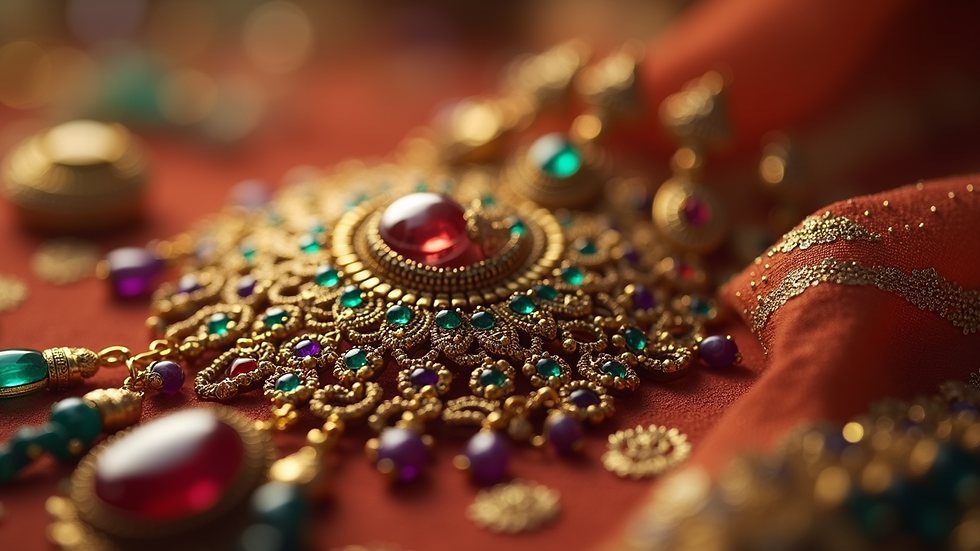
Kundan jewelry is characterized by its use of uncut gemstones set in gold. Originating from Rajasthan, this style is known for its intricate designs and royal appeal.
Materials: Typically made with gold and precious stones like diamonds, rubies, and emeralds.
Designs: Often features elaborate patterns, floral motifs, and intricate filigree work.
Meenakari Jewelry
Meenakari is a form of enamel work that adds vibrant colors to jewelry. This style is prevalent in both India and Bangladesh.
Materials: Usually made from gold or silver, adorned with colorful enamel.
Designs: Commonly features floral and geometric patterns, making each piece a work of art.
Jadau Jewelry
Jadau is another traditional style that involves setting gemstones in gold without using any adhesive. This technique is particularly popular in bridal jewelry.
Materials: Gold, uncut diamonds, and colored gemstones.
Designs: Often includes intricate carvings and motifs inspired by nature.
Nakshi Kantha
Originating from Bangladesh, Nakshi Kantha is a form of embroidered jewelry that combines textile art with jewelry-making.
Materials: Typically made from fabric and embellished with beads and sequins.
Designs: Features intricate embroidery that tells stories or depicts scenes from folklore.
The Artisans Behind the Craft
The creation of heritage jewelry is a labor of love, often involving skilled artisans who have honed their craft over decades.
The Role of Artisans
Artisans are the backbone of the heritage jewelry industry. They not only create beautiful pieces but also preserve traditional techniques.
Generational Knowledge: Many artisans learn their craft from family members, ensuring that techniques are passed down through generations.
Community Impact: By supporting artisans, consumers help sustain local economies and preserve cultural heritage.
Challenges Faced by Artisans
Despite their skills, artisans often face challenges such as:
Economic Pressures: Many artisans struggle to earn a fair wage for their work.
Competition from Mass Production: The rise of mass-produced jewelry threatens the survival of traditional craftsmanship.
Caring for Heritage Jewelry
To maintain the beauty and longevity of heritage jewelry, proper care is essential. Here are some tips:
Regular Cleaning: Use a soft cloth to gently clean jewelry after wearing it. Avoid harsh chemicals that can damage the metal or stones.
Safe Storage: Store jewelry in a cool, dry place, preferably in a soft pouch or a lined box to prevent scratches.
Avoiding Exposure: Keep jewelry away from perfumes, lotions, and other chemicals that can tarnish or damage the pieces.
Where to Buy Heritage Jewelry
If you're interested in adding exquisite heritage jewelry to your collection, consider the following options:
Local Artisans
Purchasing directly from local artisans not only supports their craft but also ensures authenticity. Look for artisan markets or fairs in your area.
Online Platforms
Many online platforms specialize in heritage jewelry, connecting artisans with a global audience. Websites like Etsy or Craftsvilla offer a range of options.
Boutique Stores
Boutique stores often curate collections of heritage jewelry, providing a unique shopping experience. Look for stores that emphasize ethical sourcing and support for artisans.
Conclusion
Heritage jewelry from India and Bangladesh is a treasure trove of culture, artistry, and history. Each piece carries a story, making it not just an accessory but a connection to the past. By choosing to invest in these exquisite creations, you support the artisans who dedicate their lives to preserving these traditions. Whether you are looking for a statement piece or a subtle adornment, heritage jewelry offers something for everyone. Explore the beauty of these timeless creations and wear a piece of history with pride.


Comments